

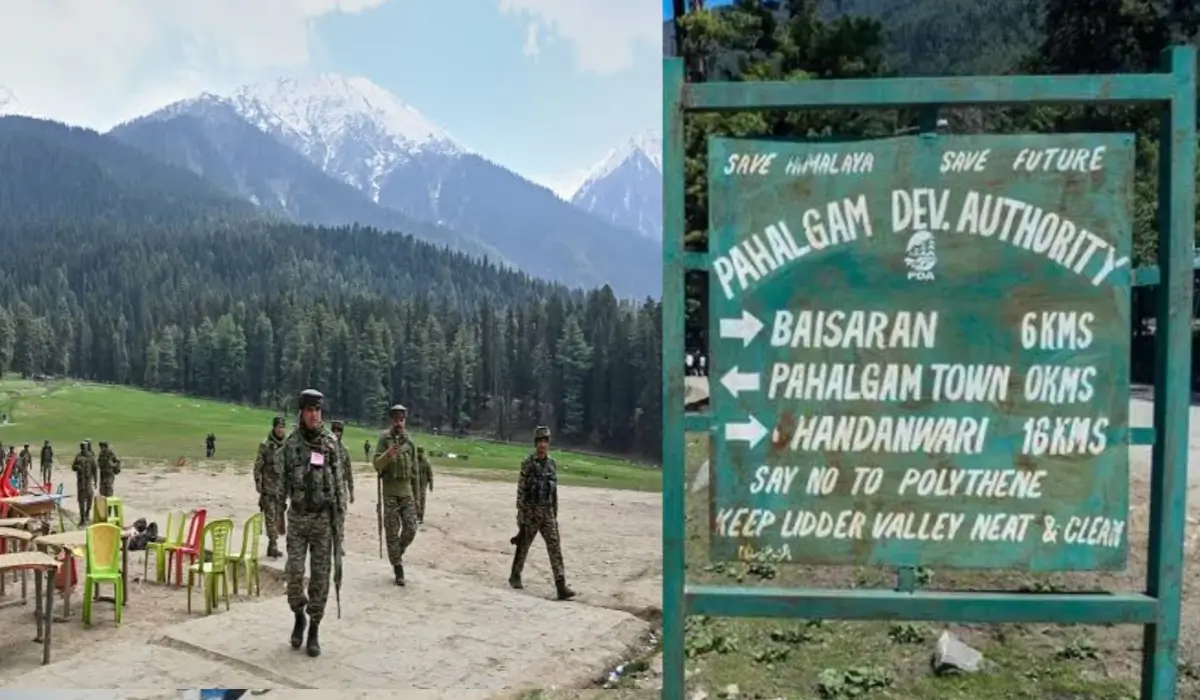
A year has passed since the Pahalgam terror attack changed the course of India-Pakistan relations. On April 22, 2025, 26 people were killed by Pakistan-backed terrorists in Jammu and Kashmir’s Baisaran Valley. Since then, the two countries have gone to the brink of war, observed a US-brokered ceasefire, and are now stuck in a diplomatic deep freeze that shows no sign of thawing anytime soon.
So what has actually changed in the past one year between the two nations?
Military and Security Situation
On the military front, India launched Operation Sindoor in May 2025, conducting strikes on terrorist infrastructure inside Pakistan and Pakistan-occupied Kashmir. Pakistan responded with its own military actions, and the conflict threatened to spiral into a full-scale war before the United States stepped in to broker a ceasefire on May 10, 2025. The ceasefire has largely held, but there has been no formal peace process since then.
India’s security forces have continued their counterterrorism operations inside Jammu and Kashmir, eliminating 21 terrorists in multiple operations since the Pahalgam attack. Security in the valley has been significantly tightened.
Diplomatic and Economic Relations
On the diplomatic front, India suspended the Indus Waters Treaty following the Pahalgam attack, a move that Pakistan called an act of war and a violation of international law. Pakistan has also raised the issue at international forums, including the United Nations and the UN Security Council, though India maintains that its actions were a justified response to cross-border terrorism.
More Read

Trade between the two countries, which was already minimal, has come to a complete halt. People-to-people contact, cultural exchanges, and sporting events involving both nations have been largely suspended.
Pakistan’s Stand
Pakistan has repeatedly denied involvement in the Pahalgam attack, with its ministers calling it a false flag operation orchestrated by India. India and most of the international community have rejected this claim outright. Evidence, including leaked videos of Pakistani military officials attending funerals of terrorists killed in Indian operations, has further damaged Pakistan’s credibility on the international stage.
What Comes Next
The broader question facing both countries is what comes next. With no formal diplomatic engagement on the horizon and public sentiment on both sides hardened by the events of the past year, analysts say the road to normalisation, if it ever comes, will be a long and difficult one.
India’s stance is clear: there can be no business as usual with Pakistan until cross-border terrorism stops completely. Until that happens, the relationship between the two countries is likely to remain cold, tense, and complicated.